Athlete validation · For programs and parents
Athlete Validation: How to Judge a Performance Mouthguard
Every mouthguard says athletes love it. Here's how athletic trainers, athletic directors, coaches, and parents can tell real proof from marketing, and where NeuroGuard+ stands on each test.
Look for four things before you trust a performance mouthguard: named athletes who wear it in competition, use across your sports, approval from your governing body, and published research you can read yourself. NeuroGuard+ shows the first three on its site today. Its concussion research is early, so athletic trainers should read the studies before standardizing a program on it.

The four tests
What Counts as Real Athlete Validation for a Mouthguard?
Real athlete validation is a named athlete, in a named sport, wearing the guard in competition, backed by rules approval and research you can check. A testimonial with no name, no sport, and no level tells you nothing. Neither does a star count on a product page. When you're about to standardize one guard across a whole program, hold every brand, NeuroGuard+ included, to these four tests.
Named athletes
A real name, a sport, and a level of play. You should be able to look the athlete up.
Worn in competition
Game days, meets, and at-bats. A guard that only shows up in photos isn't validated.
Rules approval
Cleared for your level, like NFHS approval for high school competition.
Research you can read
Published studies with sample sizes and methods, not a percentage in a headline.
Named athletes
Which Athletes Wear NeuroGuard+ in Competition?
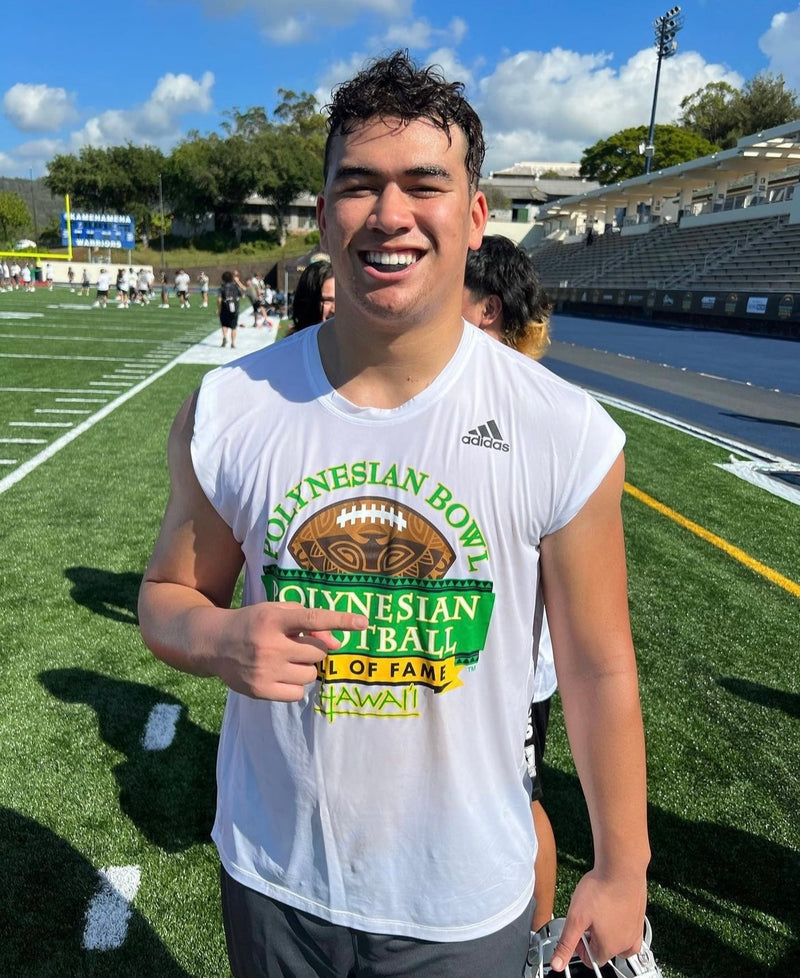
NeuroGuard+ is worn by named athletes from Major League Baseball to national cheer competition, and they say the same thing: it stays in. That's the outcome that matters first. A mouthguard that comes out to call a play or take a breath protects nothing, and athletes pull bulky upper-teeth guards out all game. NeuroGuard+ sits on the lower teeth, so athletes can talk and breathe with it in.
NeuroGuard+ is the only mouthguard I'll wear. I can talk, breathe, and stay locked in on every single at-bat.
Josh BellMLB first baseman
With NG+, I don't even think about it. It stays in, I stay in the routine, and I know I'm protected.
McKenna RoushNational Cheersport grand champion
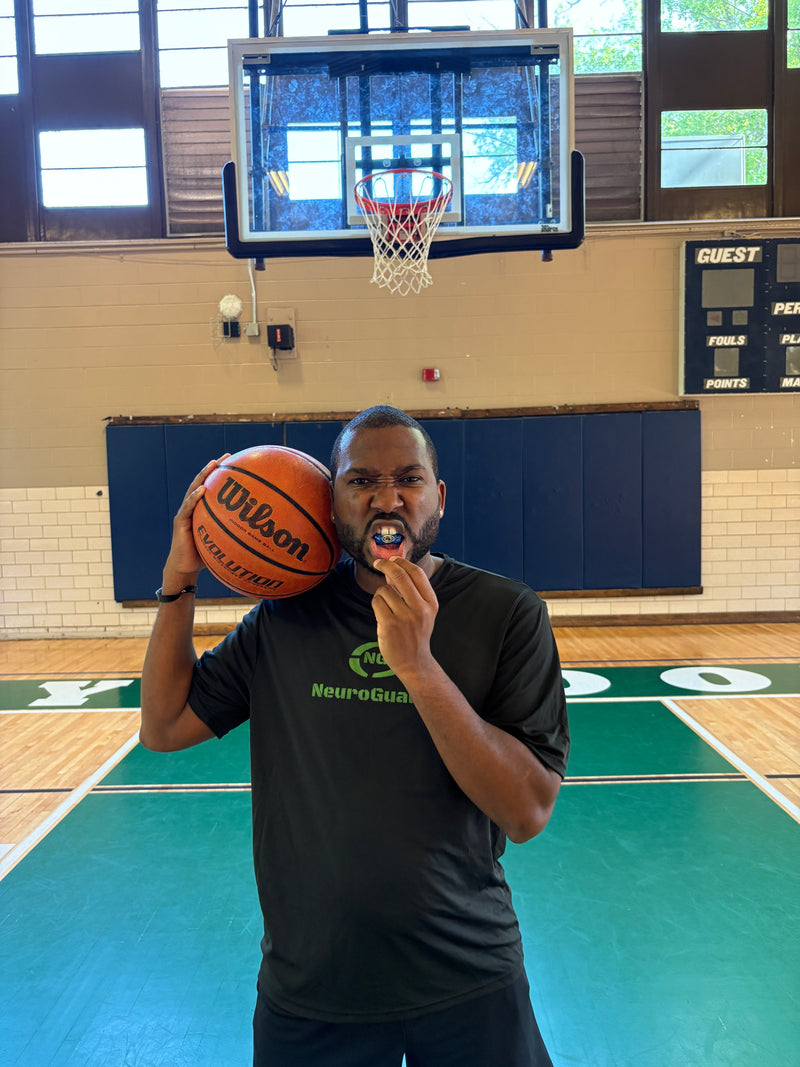
Most mouthguards spend the game in a sock. NG+ stays in your mouth.
NeuroGuard+ sits on your lower teeth, in the physiologic position. Talk, breathe, drink, and call plays without ever breaking rhythm.
Sport by sport
What Changes by Sport When Athletes Switch to NeuroGuard+?
In every sport, the change athletes report first with NeuroGuard+ is that the guard stays in through the whole game, meet, or routine. What that looks like depends on the sport. One NeuroGuard+ works across all of them, so a three-sport athlete doesn't need a new guard every season.
Football and lacrosse
Call plays in the huddle and on the line without pulling the guard out. It stays in through every snap.
Baseball and softball
Talk to the dugout and stay locked in through every at-bat, the way Josh Bell describes it.
Cheer
Breathe through the full routine and count out loud without it. McKenna Roush keeps hers in from start to finish.
Wrestling, rugby, and bull riding
No clenching. No gagging. Just a locked-in fit on the lower teeth that stays put through contact.
Powerlifting and strength
Lifters wear it for jaw position under a heavy load. The Jaw Alignment and Performance page covers what the studies show.

For athletic trainers and athletic directors
What Should an Athletic Trainer Check Before Recommending a Mouthguard?
An athletic trainer should check rules approval, fit, the published research, and whether athletes will wear it, in that order, before putting any mouthguard on a program-wide list. Athlete quotes answer the last question. The first three are on you, and they're what protects your program if a parent asks why you chose this guard. Here's how NeuroGuard+ answers each one.
- Rules approval. NeuroGuard+ is NFHS approved for high school competition. Check your state association and sport rules too.
- Fit. Athletes mold it at home in warm water and wear it on the lower teeth. The How to Fit the NG+ page walks through each step.
- Design credentials. NeuroGuard+ is dentist-designed, built on a patented lower-fit design by Dr. Michael Hutchinson, DDS.
- Research. The studies are listed on the Data & Research page. Read the sample sizes and methods yourself before you cite a number to parents.
What it costs to skip this
No mouthguard has been proven to prevent concussions, and major medical groups say so plainly. If you standardize a guard because of a headline number and a parent or physician asks for the study, your program is left defending a claim it never checked. Read the research first, and describe it to families as study findings, not guarantees.
Side by side
How Does NeuroGuard+ Compare on Proof With Other Options?
NeuroGuard+ is the only option here built on lower-teeth jaw alignment, while Shock Doctor, SISU, and OPRO compete on dental protection and comfort, and Q-Collar isn't a mouthguard at all. The table lines up what each one claims, its strongest proof signal, and when it's the better pick. If FDA clearance is your program's bar, Q-Collar has it and NeuroGuard+ doesn't. If price and store availability decide it, Shock Doctor wins.
| Option | Design | Main claim | Strongest proof signal | The better pick when |
|---|---|---|---|---|
| NeuroGuard+ | Dentist-designed guard worn on the lower teeth, molded at home | Jaw alignment for head-impact protection and strength; talk and breathe with it in | Named athletes in competition; NFHS approved | Athletes keep pulling their guard out, or you want one guard across every sport |
| Shock Doctor | Upper-teeth boil-and-bite guards, widely sold in stores | Impact absorption and dental protection | Brand recognition and mass-retail availability | Budget decides it: guards run about $15 to $25 and every sporting-goods store has them |
| SISU | Thin, remoldable custom-fit guard | Comfort and thinness; no concussion claim | Strong online brand recognition | You only need a thin, comfortable guard for dental protection |
| OPRO | Premium layered boil-and-bite guard | Dental protection; no jaw-alignment claim | Official partner of major pro rugby and football bodies | Pro-level brand prestige matters most to your buyers |
| Q-Collar | Neck collar, not a mouthguard | Brain protection from head impact | FDA clearance | Your program requires FDA clearance; athletes still need a mouthguard too |
Questions people ask
Questions About NeuroGuard+ Athlete Proof
These are the questions athletic trainers, coaches, and parents ask most before switching a team or a kid to NeuroGuard+.
Is NeuroGuard+ allowed in high school sports?
Yes. NeuroGuard+ is NFHS approved for high school competition. Some state associations and sports add their own mouthguard rules, so check the Mouthguard Rules by Sport page before the season starts.
Does any mouthguard prevent concussions?
No mouthguard has been proven to prevent concussions, and major medical groups say so plainly. NeuroGuard+ sits on the lower teeth and holds the jaw in a physiologic position; read the studies on the Data & Research page and judge the evidence yourself.
What sports do athletes wear NeuroGuard+ in?
Athletes wear NeuroGuard+ in football, baseball, softball, cheer, wrestling, lacrosse, hockey, rugby, soccer, basketball, bull riding, and powerlifting. It's one guard across all of them, so a multi-sport athlete doesn't need a new guard every season.
Is a $50 mouthguard really worth it over the $15 one at the sporting-goods store?
If dental protection on a tight budget is all you need, a $15 to $25 guard does that job. NeuroGuard+ costs $49.97 and adds a lower-teeth design athletes can talk, breathe, and drink through, and a guard that stays in the mouth is the only one that protects anything.
Can I order NeuroGuard+ for my whole team?
Yes. NeuroGuard+ Team Order is built for outfitting a full roster. Contact NeuroGuard+ with your roster size and sports to set up the order.
Outfitting a roster?
Put NeuroGuard+ to the Test on Your Team
Tell NeuroGuard+ your roster size and sports, and set up a NeuroGuard+ Team Order for the season. Buying for one athlete? Start with the guard itself.